Best Time to Visit Pokhara
Pokhara is open all year, but the season decides how much of the Himalaya you'll see. Here's what each season is like.
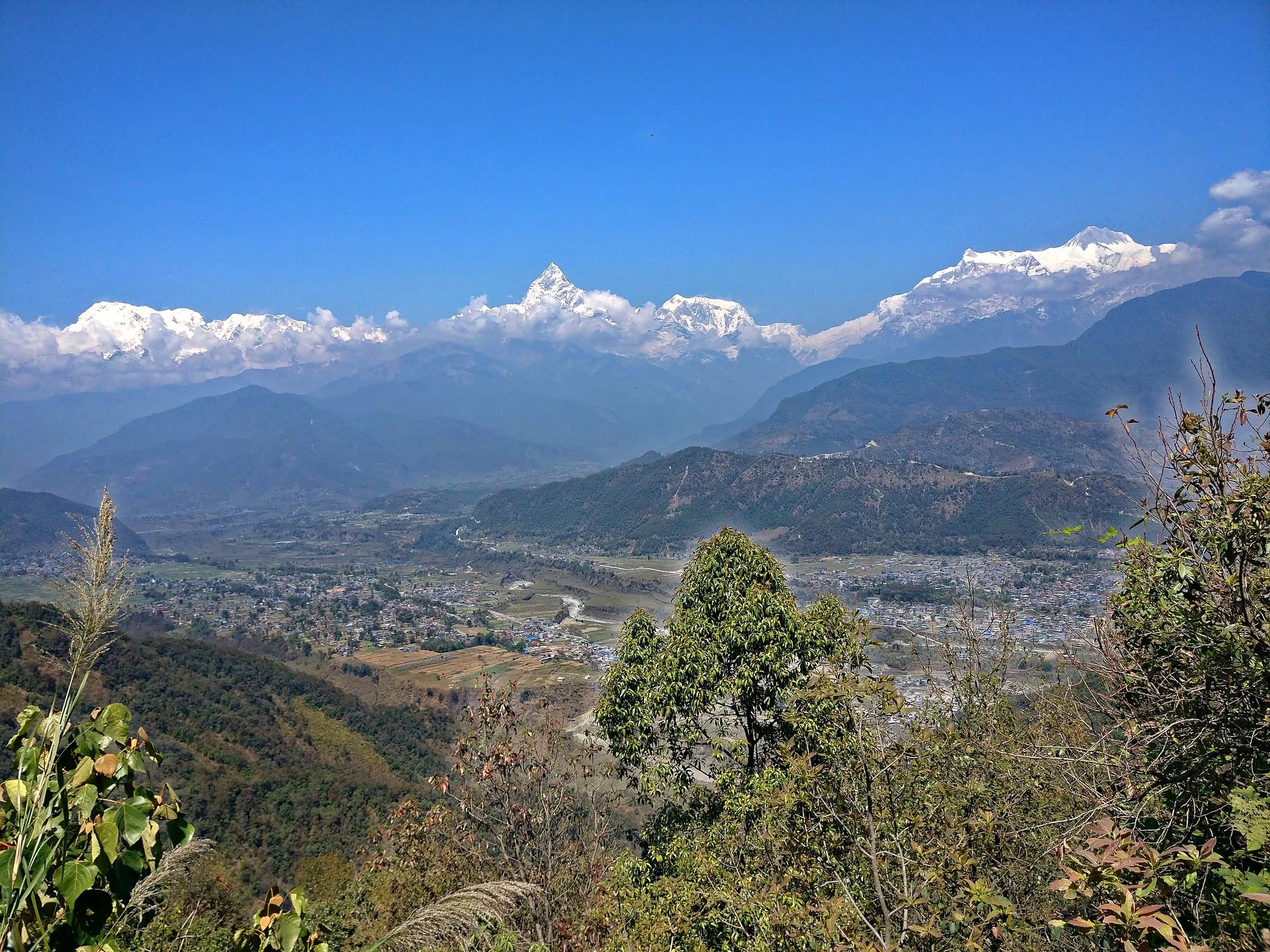
Pokhara welcomes visitors all year round, and boat rides, sightseeing and adventure sports carry on whatever the season. What changes is the weather, and with it your chances of clear mountain views.
Autumn (September to November)
The best time for most visitors. The monsoon has washed the air clean, the skies are mostly clear and the days are warm without being too hot. It's also the main trekking season and the time of the Dashain and Tihar festivals, so do book early.
Winter (December to February)
Chilly mornings and evenings, sunny days and wonderfully clear views. It's a good, quieter time for sightseeing and short treks, although the higher treks can be cold and snowy. Christmas and New Year are popular in Lakeside.
Spring (March to May)
Warm days, rhododendron forests in full bloom in the hills, and the second trekking season. Haze builds up towards May, so the mountain views are often best early in the morning.
Summer and monsoon (June to August)
Hot and humid, with heavy rain on most days, usually in the afternoon and overnight. The mountains are often hidden, but the valley is lush and green, the crowds are thin and prices are lower. Paragliding is limited, but boat rides, sightseeing and Davis Falls (at its most powerful now) carry on as normal.
In short
- Best mountain views: October to early December.
- Best for trekking: October–November and March–April.
- Fewest people: June to August.
- Paragliding: September to June.
Popular Pokhara tours
- Paragliding in Pokhara, from $95
- World Peace Pagoda Hike and Boat Ride, from $35
- Sarangkot Sunrise Tour, from $25
- Pokhara City Sightseeing Tour, from $45
- Pokhara City Tour: 4 Days of Sights, Paragliding and the Lake, from $260
- Ghorepani Poon Hill Trek, from $420